AI project aims to optimise combined transport starting from Germany
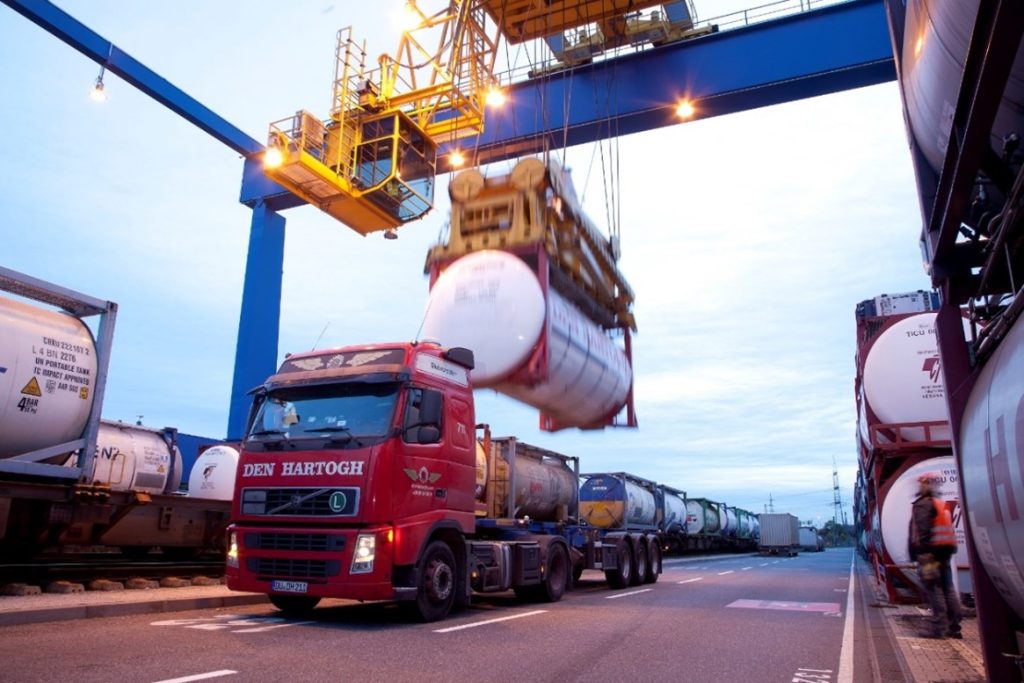
Artificial intelligence could soon play a larger role in planning and loading combined transport trains, following the completion of the three-year KIBA project.
The KIBA initiative – short for Artificial Intelligence and Discrete Loading Optimisation Models for Enhanced Utilisation in Combined Transport – has concluded after three years of development.
The project, coordinated by Kombiverkehr KG with partners including INFORM, DUSS, Goethe University Frankfurt, KombiConsult, TU Darmstadt, and VTG, received funding from Germany’s Federal Ministry for Digital Transformation and Government Modernisation.
From research to real-world application
The goal of KIBA was to use AI and mathematical models to improve efficiency, safety, and sustainability in rail freight. The research team developed a prototype that combines network capacity management with optimised train loading.
According to Heiko Krebs, Managing Director of Kombiverkehr, the project “demonstrated how AI can make rail freight transport more efficient,” helping to maximise train capacity and reduce reloading operations. He added that the work supports the broader shift of freight from road to rail and contributes to efforts aimed at climate protection.
Practical testing on the way
The system uses AI-based forecasts to plan train utilisation according to both weight and length, while minimising crane movements and transshipments. This approach, said Dr Rafael Velásquez of INFORM, “opens new opportunities for combined transport,” allowing forecasts of booking volumes to feed directly into optimisation processes.
With the project now complete, partners plan to move toward practical testing and integration. Early use cases are being prepared for terminal operators and rail freight service providers. Future work will focus on improving data quality and automating information exchange before live testing.
Academic–industry collaboration
KIBA is regarded as an example of close collaboration between research institutions and logistics companies. Dr Eva Savelsberg, Senior Vice President at INFORM, said maintaining this link is essential for international competitiveness in AI.
The project partners describe KIBA as a foundation for future innovation in combined transport – one that could make rail freight operations both smarter and more reliable.