Industry leaders highlight importance of military mobility readiness
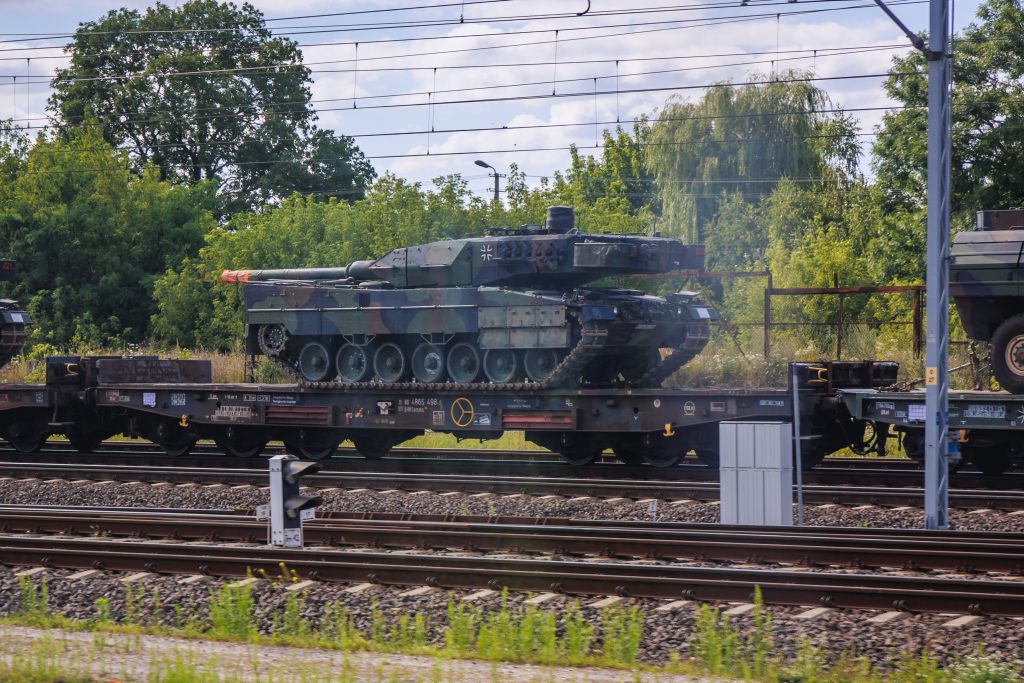
In the current geopolitical landscape, Europe needs to be prepared with a rail infrastructure ready to accommodate dual use transport and military mobility. Most agreed on this during RailTech Europe 2026, held in Utrecht last week.
During the event, industry leaders warned that existing infrastructure, rolling stock availability and cross-border procedures remain major constraints. As reported exclusively by our sister publication RailTech.com, Alberto Mazzola, executive director of the Community of European Railway and Infrastructure Companies (CER), told the event that the requirements for military logistics and rail freight are closely aligned.
Closely aligned
“90 to 95 per cent of what works for military mobility works for rail freight,” he said, arguing that investment in rail infrastructure, rolling stock and regulatory reform would deliver benefits across both sectors.
Heavy military equipment – including tanks, artillery and other oversized assets – can be transported far more efficiently by rail than by road. The same applies to dangerous goods such as ammunition, which are safer to move in large quantities by train.
However, Mazzola warned that Europe currently lacks sufficient rail wagons capable of handling military transport requirements. “If you need to move a line division, we need 100 trains with 8,400 wagons,” he said. “If there is a war with Russia, we would need 50 times that.”
Wagon capacity
While some wagons are purpose-built for military equipment, most are dual-use and also serve commercial freight markets. Expanding wagon capacity would therefore strengthen both defence logistics and conventional cargo supply chains.
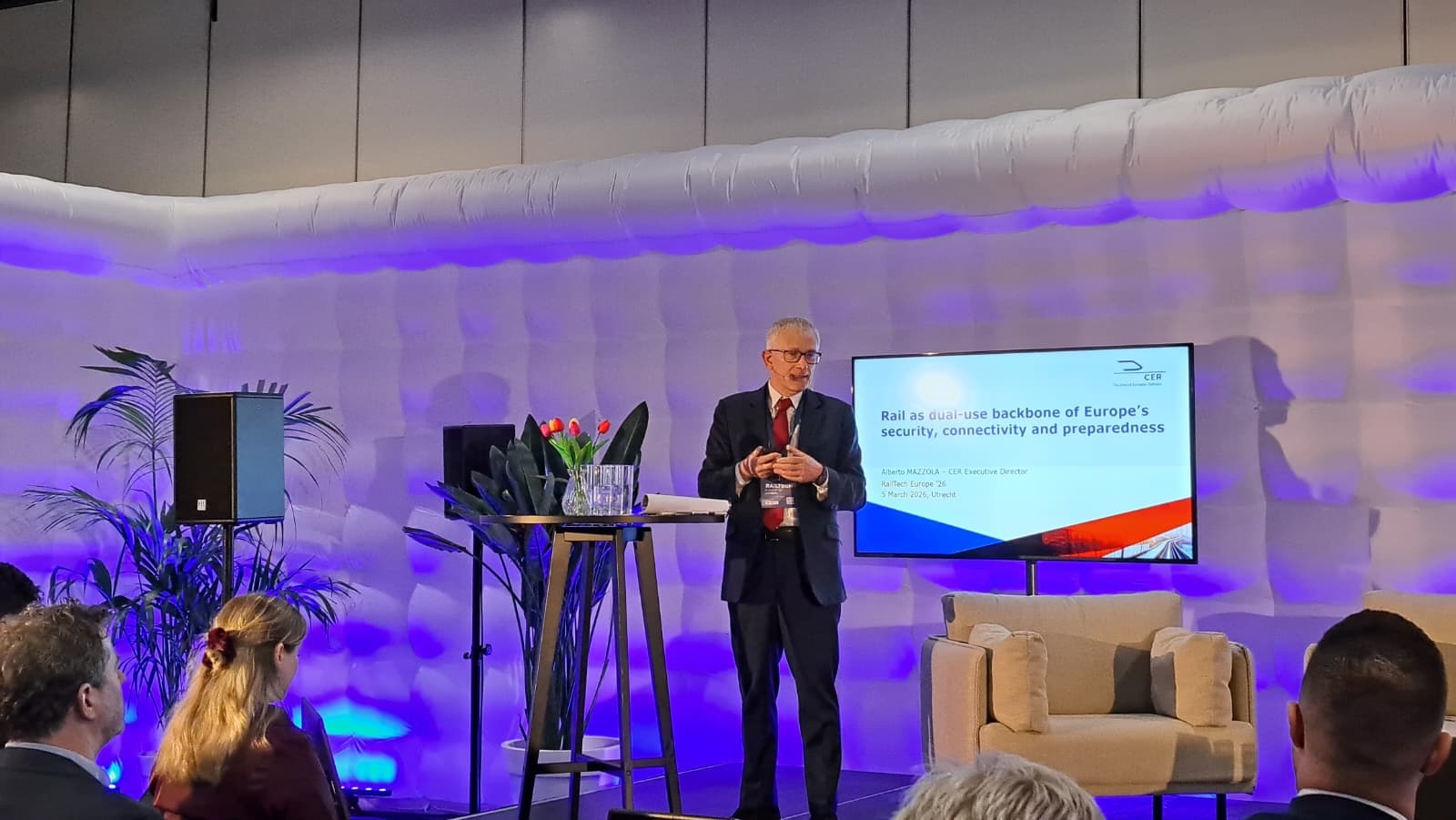
Port connectivity is another critical issue. According to Mazzola, even Europe’s largest seaports face limitations when it comes to moving large volumes inland by rail. “If you get ten ships in Rotterdam, only one load can be taken out of the port by rail,” he said, highlighting the need for stronger rail links between ports and inland corridors.
Military convoy
Bureaucracy also remains a major obstacle. A military convoy travelling by rail from France to Romania currently takes around 45 days, largely due to cross-border approval procedures. “Thirty of those 45 days are just permissions,” Mazzola said, warning that such timelines would be unacceptable during a crisis.
Proposals by the European Commission to cut approval times to three working days – and as little as six hours in emergencies – represent a step forward. However, Mazzola cautioned that mechanisms being developed to accelerate military rail movements currently fail to address a key issue for operators.
“If the emergency system is activated and the rules suddenly change, there is no compensation for railways,” he said. “We still need to pay salaries, suppliers and run the business.”
This article was originally published on our sister publication ProjectCargo Journal